DoorDash acceptance rate can matter for rewards and access to work. It is not the same as an account minimum. The useful question is whether keeping a particular rewards tier helps you earn more after the extra driving and time it takes to maintain it.
I wrote the original version of this post in October 2024 because this kept coming up in my Facebook group. My frustration was simple: taking a bad order just to protect a number still leaves you doing a bad order. But my market experience did not prove the rewards program was meaningless everywhere.
What acceptance rate actually changes
DoorDash’s current ratings guide lists no minimum acceptance rate. Completion rate is a different metric, with a 90% minimum. Letting an offer expire counts as declining; accepting and then unassigning is not the same thing.
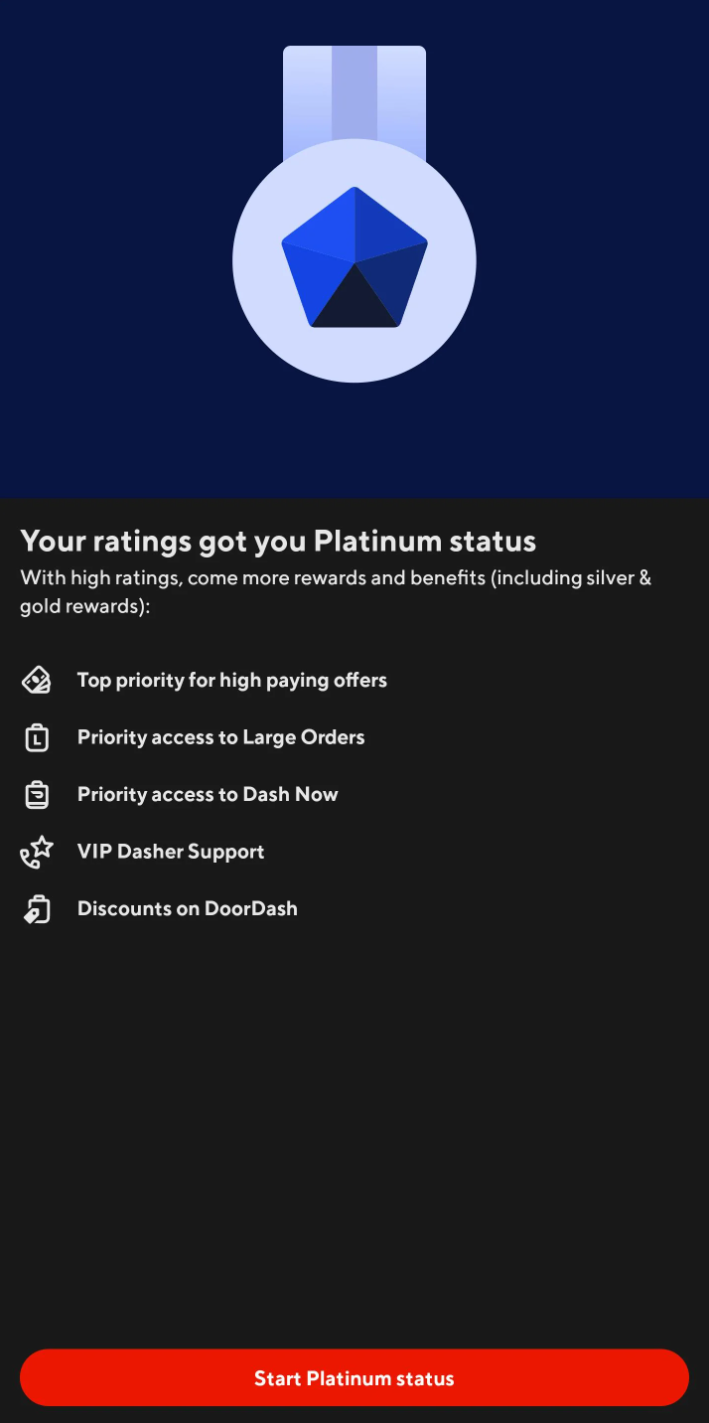
Its Rewards guidance says qualifications depend on your area. Benefits can include priority for higher-paying offers, large orders, scheduling and Dash Now. Read the requirements and unlocked benefits in your own Ratings tab before copying another driver’s strategy. Sources checked September 9, 2026.
For the specific account question, read what happened when my acceptance rate reached 0%.
Scheduling was the trade-off I cared about
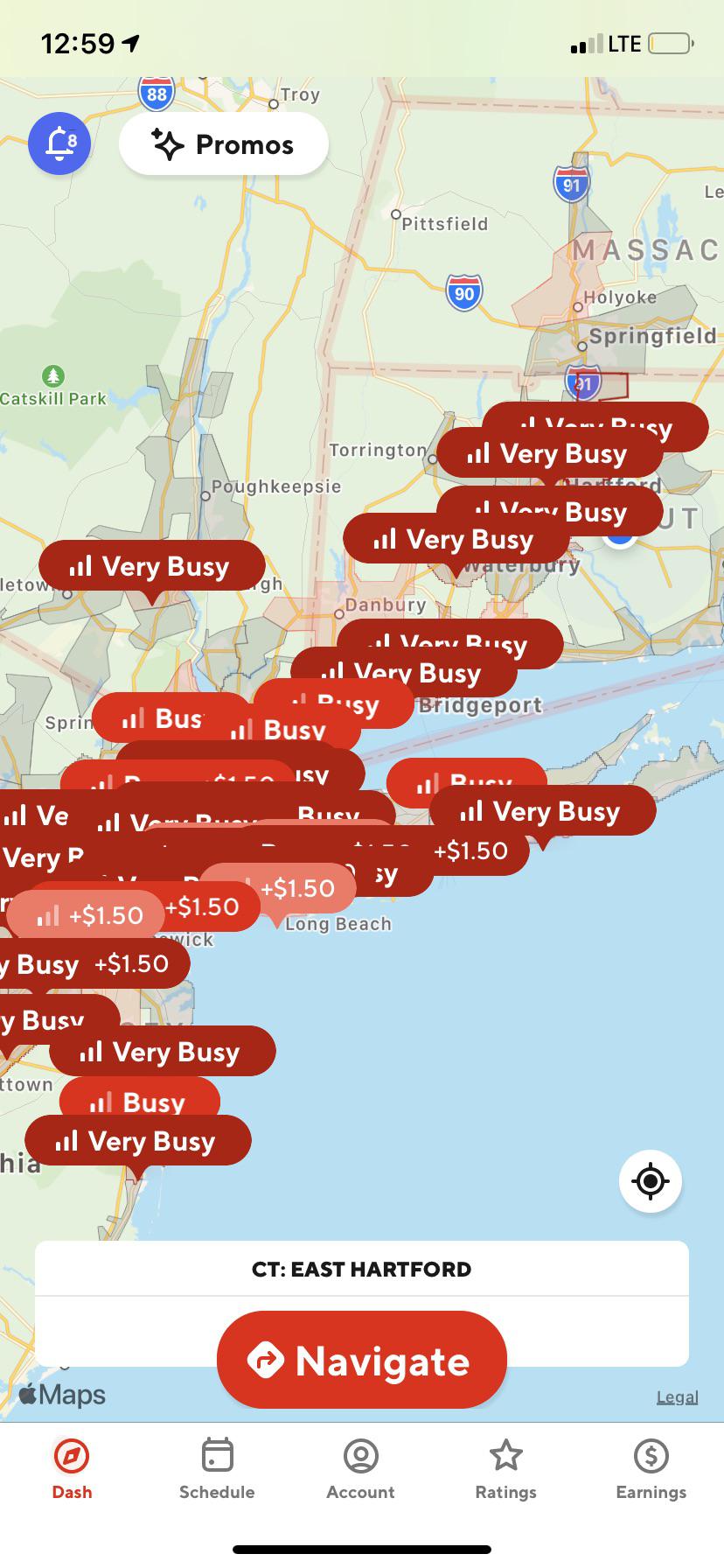
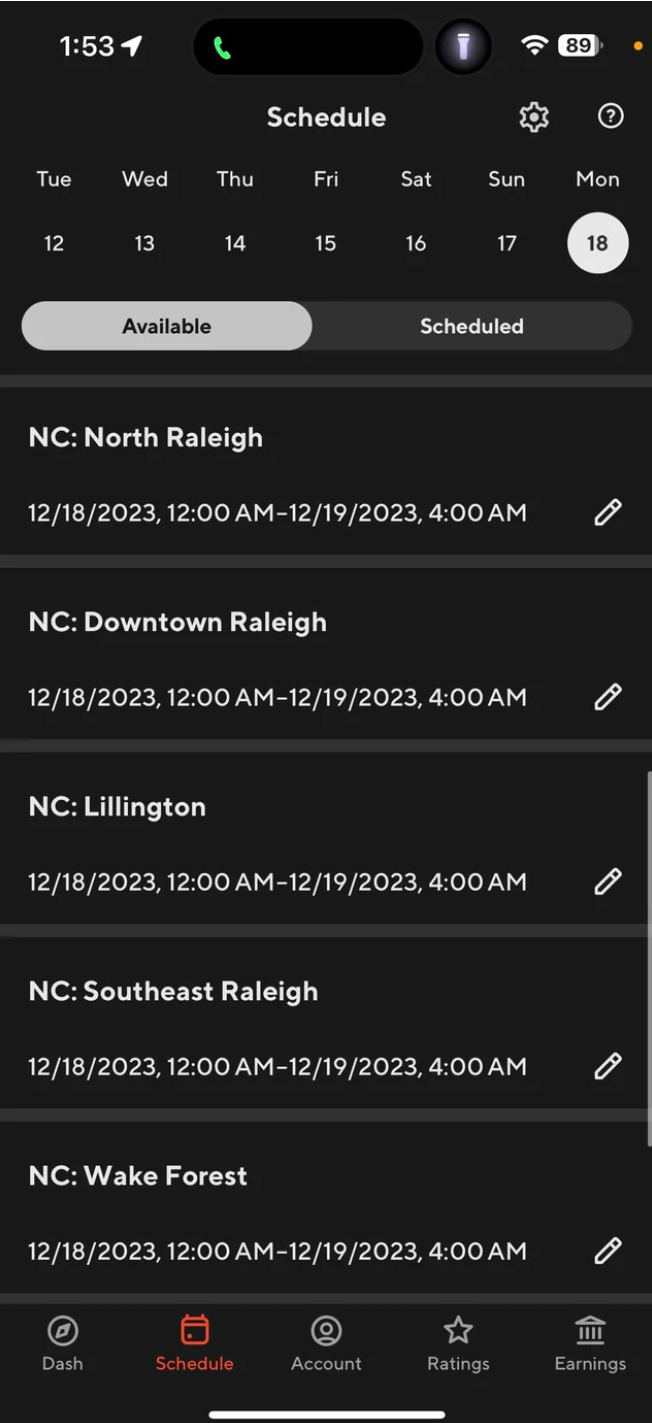
In my original account, I described being able to use Dash Now when my market was busy. I also described setting a 3 p.m. reminder to schedule ahead. That was my routine at the time, not a guarantee that every driver can get the same hours now.
If your preferred slots are easy to reserve, scheduling may be a manageable inconvenience. If you regularly cannot start when you need to work, access has real value. Check actual availability during the days and hours you intend to drive.
A catering order does not settle the whole argument
I reported receiving catering orders with a 1% acceptance rate in 2024. That is my historical observation. My old conclusion that the program was a lie went further than that observation supported.
Priority is not a promise that every worthwhile order goes to one tier. DoorDash currently describes a reward that prioritizes eligible drivers for large orders. My old result does not establish how often a driver outside that tier will receive them today. The DoorDash catering guide explains the current distinction.
Put a price on keeping the tier
Compare similar lunch or dinner shifts, not your best Friday against a dead Tuesday. Write down total pay, total time trying to earn, all work miles, and whether you could start when you wanted. Include the waiting between orders.
Illustrative comparison: $100 over four hours is $25 an hour before expenses. A $120 shift over five hours is $24 an hour before expenses. The bigger payout is not automatically the better result, especially if it required more miles. These are example numbers, not my earnings records.
My original $4-per-mile starting preference was a personal filter, not a universal rule or an amount I claimed was available on every trip. Distance alone also misses restaurant waits and time sitting without an order. Use the time-and-mileage checklist to evaluate the whole trip.
I still want the work to justify starting the car. If maintaining a tier costs more than its benefits return, that matters. If access lets you work profitable hours you otherwise miss, that matters too. Let your shift records decide.
For fuel costs, my Upside referral link lets you check available offers. Compare the final pump price and any extra driving before choosing a station. I may earn a reward if you sign up and qualify through my link.